
Services
Scalp Cooling
Chemotherapy is an important part of cancer treatment, but hair loss can impact a patient’s confidence and emotional well-being. Scalp cooling is a supportive therapy that may help reduce chemotherapy-induced hair loss by lowering scalp temperature and reducing the effect on hair follicles. At Anil Cancer Clinic, our oncology team evaluates each patient’s treatment plan to determine if scalp cooling is a suitable option.

What Is Scalp Cooling?
Hair loss, also known as chemotherapy-induced alopecia, is a common side effect of certain chemotherapy medicines. While temporary, it can have a significant emotional impact on patients.
Scalp cooling is a technique used during chemotherapy to help reduce the amount of chemotherapy reaching the hair follicles and minimise hair loss.
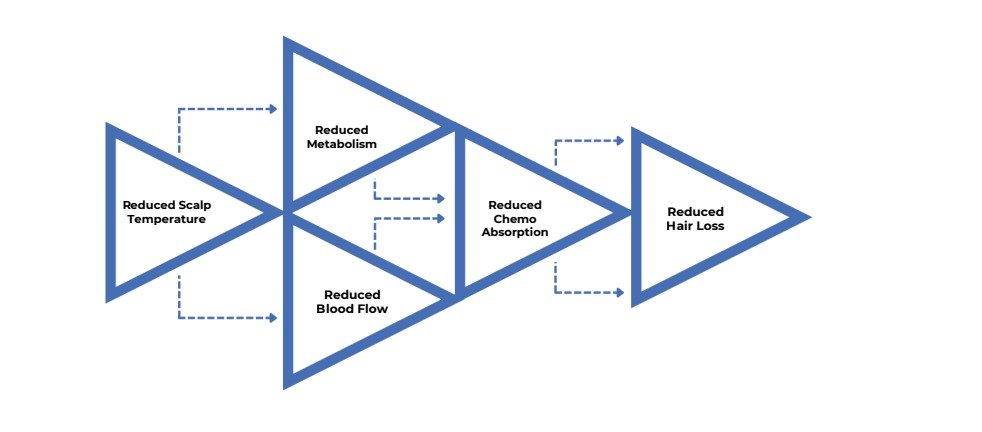
Scalp cooling works by cooling the scalp before, during and after chemotherapy infusion. The reduced temperature causes narrowing of blood vessels in the scalp, lowering blood flow and reducing chemotherapy absorption around hair follicles.
The effectiveness depends on factors such as the type of chemotherapy medicine, dosage, treatment schedule and individual patient response.
How Does Scalp Cooling Work?
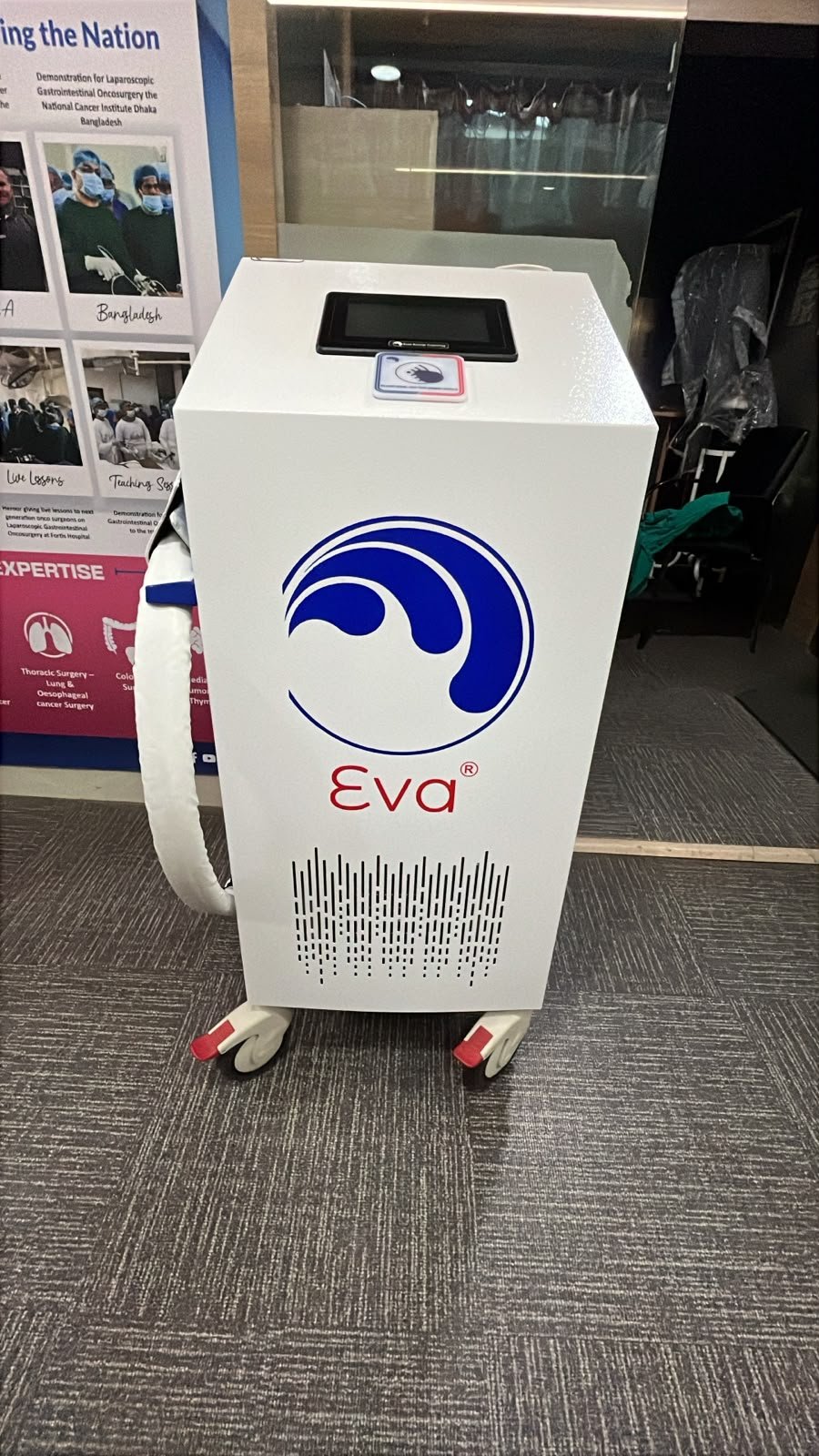
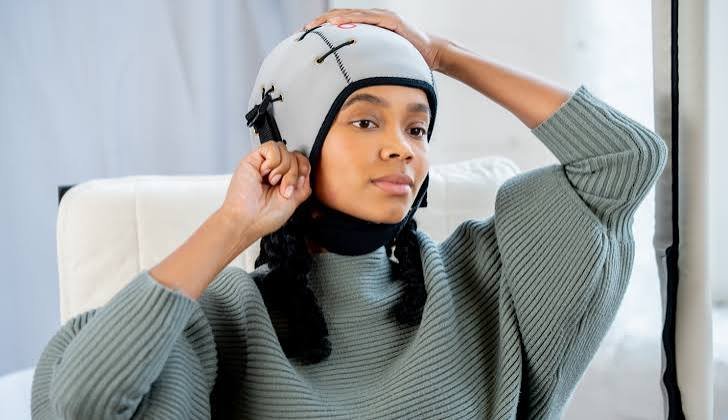
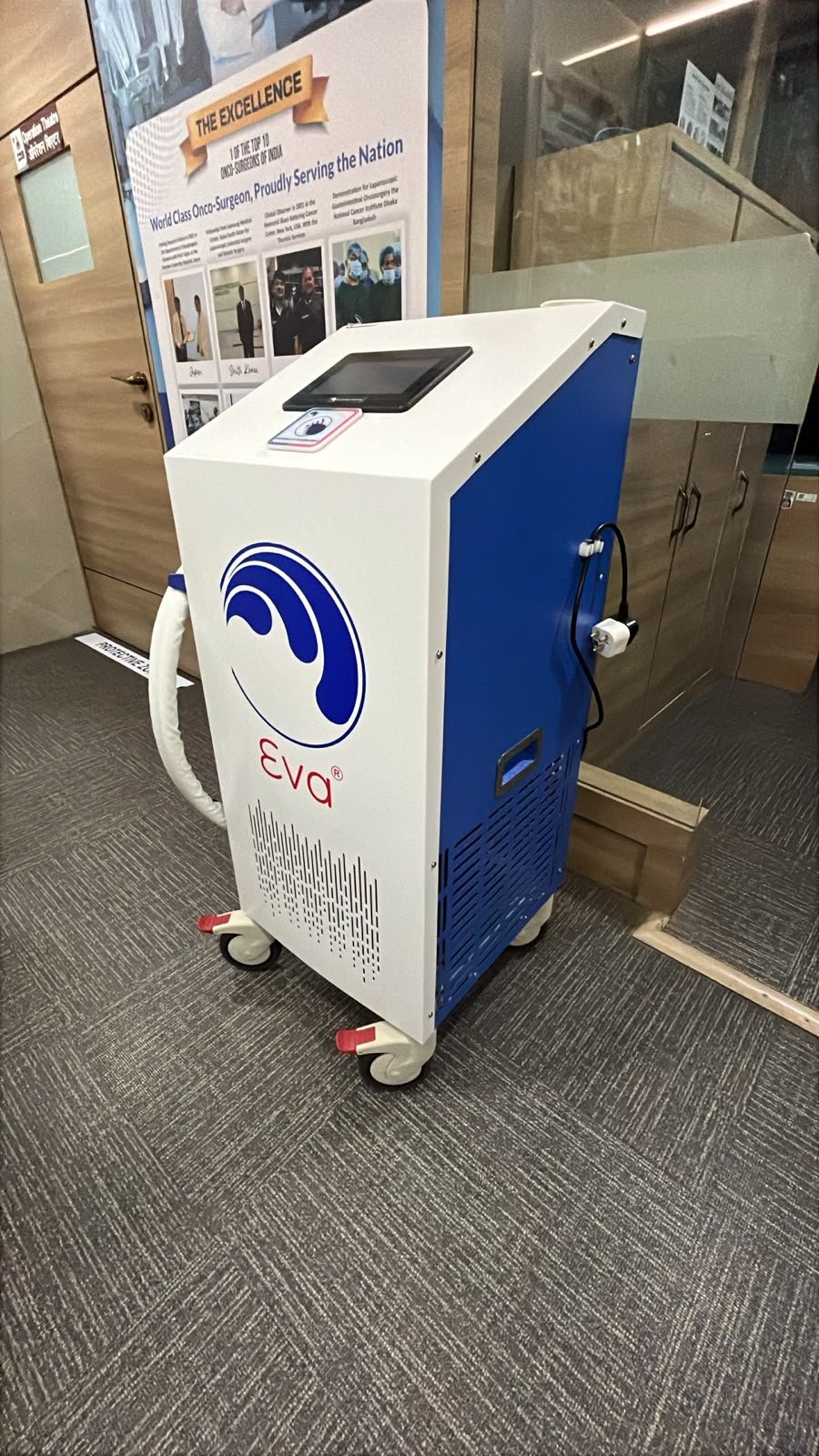
During a scalp cooling session, a specialised cooling cap is placed on the scalp to lower its temperature.
This cooling process helps:
- Reduce blood flow to the scalp
- Reduce metabolic activity of hair follicles
- Reduce chemotherapy exposure around hair follicles
As a result, it may help preserve more hair during chemotherapy treatment.
Scalp cooling does not affect the action of chemotherapy medicines throughout the body. It is used as an additional supportive treatment alongside the chemotherapy planned by the oncologist.

Treatment Process & Benefits:
Scalp Cooling Treatment Process
Scalp cooling is planned around your chemotherapy session and usually involves three stages:
Before Chemotherapy
The scalp is cooled before the chemotherapy infusion begins.
During Chemotherapy
Cooling continues while chemotherapy medicines are administered.
After Chemotherapy
Cooling continues for a specific duration after the infusion, depending on the medicines used.
The exact duration is decided based on your chemotherapy regimen and treatment plan.
Different chemotherapy medicines require different cooling durations. Your oncology team will guide you regarding the recommended cooling schedule before starting treatment.
Benefits of Scalp Cooling
Scalp cooling may help suitable patients:
- Reduce chemotherapy-related hair loss
- Maintain greater confidence during treatment
- Feel more comfortable while continuing their daily routine
- Improve emotional well-being during the cancer journey
Hair preservation varies from person to person. Scalp cooling cannot guarantee complete prevention of hair loss, but it may reduce the severity depending on the chemotherapy treatment being received.
Who Can Consider Scalp Cooling?
Scalp cooling may be considered for patients receiving chemotherapy for certain solid tumours where hair loss is an expected side effect.
Your doctor will consider:
- Type of cancer
- Chemotherapy medicines being used
- Previous treatments
- Overall health condition
Scalp cooling may not be suitable for everyone. Patients with certain cold-related medical conditions, some cancers involving the scalp or nervous system, and specific treatment histories may require alternative approaches.
Your oncologist will recommend the best option based on your individual condition.

Is Scalp Cooling Safe?
Scalp cooling has been studied in patients receiving chemotherapy and is considered a supportive treatment option for selected patients.
The suitability and safety of scalp cooling depend on the patient’s diagnosis, chemotherapy plan and medical history.
Studies evaluating scalp cooling have not shown an increased risk of scalp metastasis in suitable breast cancer patients receiving chemotherapy. However, every patient should be assessed individually by their treating oncologist.
FAQ
Frequently Asked Questions
No. Scalp cooling may reduce chemotherapy-related hair loss, but results vary depending on the chemotherapy medicines and individual response.
Most patients experience a sensation of coldness or tightness initially. The treatment team ensures proper fitting and comfort throughout the session.
It is best to discuss scalp cooling before starting chemotherapy, as planning before the first session is important.
No. Your oncologist will decide whether scalp cooling is suitable based on your cancer type and treatment plan.
No. It is only a supportive therapy used along with your prescribed chemotherapy treatment.